
§ RESOURCES / FILMMAKER INDEX
Stephen Mcfeely
Writer
Films Discussed 5
Draft Zero Episodes 5
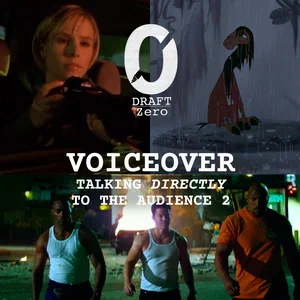
DZ-110: Voiceover
How can you use voiceover without it feeling like a cheat?
How can you use Voiceover without it feeling like a cheat?… →
Listen to explore how voiceover can set tone, reveal character, enhance empathy, and create tension.

DZ-59: Avengers Endgame - Ending Character Journeys
Do you want your audience feeling with or for your characters?
One day, Chas saw Avengers: Endgame for the second time and wrote a review on Letterboxd. In particular, he had issues with how little he perceived the characters of Cap and Tony changed within the film, their big finale (spoiler). Then friend and patron of the podcast Julio Olivera vehemently disagreed in the comments. He was egged on by Stu. And there in the comments began a debate that looked a lot like an episode of Draft Zero. So we decided to make it one… →
Listen if you're interested in how to dramatise character change, position your audience in relation to characters, and explore the difference between empathy and sympathy in screenwriting

DZ-56: Character Motivations 2
Workshopping ways to fix character motivations.
In this second part of their exploration of character motivations, Chas and Stu dive into what makes “BAD” screenplays NOT work. They examine at moments where they (and maybe you, dear listeners) did not believe a key decision being made by a character and so were taken out of the movie. In a departure from the Draft Zero format, they apply the tools they developed in Part 1 to workshop potential fixes to these beats… →
Listen if you want to understand how character decisions can break a screenplay and how to fix them
▶ More Info

DZ-38: Excelling at Exposition (Part 2)
How can exposition twist your story in new directions?
In the second part of Draft Zero’s two-part episode on “Exposition”, Stu & Chas take an even deeper look at this notoriously challenging part of screenwriting. For many stories there are pre-existing facts (or given circumstances) that need to be communicated to an audience, and often we rely on dialogue to do it. But exposition can do more than just communicate, it can serve as dramatic revelation that twists a story into a new direction or provides an emotional payoff - or both!. So how do great writers make exposition work for the story, rather than just tell audience stuff they need to know? And how can writers go wrong… →
Listen to learn how to use exposition as dramatic revelation rather than mere information delivery.
DZ-18: Michael Bay - F*ing the Frame and P*ing the Page
Are there screenwriting lessons to be taken from analysing the work of Michael f-ing Bay?
Of course there are. How could there not be? After all, Michael Bay is the 3rd highest grossing director at the worldwide box office... of all time. Behind, y’know, Spielberg and stuff. How could a man of such credentials not know story? Or, so argues this week’s guest: the author of MICHAEL F-ING BAY: THE UNHERALDED GENIUS IN MICHAEL BAY’S FILMS... [drumroll]... the Bitter Script Reader… →
Listen to understand how one of the world's highest-grossing directors structures story, makes great villians, controls information flow, and makes visual decisions on the page
▶ More Info
Referenced In


Also on Shot Zero
- ↗ Week 92: Socials Roundup 2024-10-15
- ↗ Week 26.10 - TEXAS SWITCH Socials Roundup 2026-03-11
- ↗ Week 65: Socials Roundup 2024-04-02