§ RESOURCES / FILMMAKER INDEX
Richard Linklater
Writer / Director
Films Discussed 3
- · Before Sunset (2004) (d/w)
- · Blue Moon (2026) (d)
- · Boyhood (2014) (d/w)
Draft Zero Episodes 3
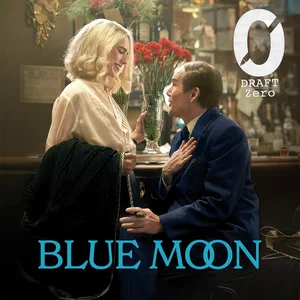
DZ-125: Oscars One-shot - BLUE MOON
What craft tools make a low-budget, contained, period drama riveting?
BLUE MOON is a talky, period-drama that film about an obscure songer-writer in the 1940s. Yet, it attracted world-class talent AND Academy Award nominations, including for it’s script. Join Chas & Mel as they explore how narrative POV, interweaving relationships, hooky dialogue, and even the screenplay format itself make the script for BLUE MOON so great… →
Listen if you want to understand how narrative POV, screenplay format, and dialogue craft can elevate a contained biopic into an Oscar-nominated film
▶ More Info
DZ-29: Showdowns & Scene Structure
What can fight scenes - whether physical or verbal - teach us about structuring any scene?
In exploring how to write good fight scenes, Stu and Chas compare how writers structure memorable showdowns - both verbal and physical. Fights vs arguments. Swords vs insults. Lightsabres vs passive aggressive subtext. To do this, they analyse the showdowns in EASTERN PROMISES, ROB ROY, THE FORCE AWAKENS (yes, yes, we finally let Stu officially discuss Star Wars), A FEW GOOD MEN, BREAKING BAD and BEFORE SUNSET… →
Listen to discover how fight scenes can be great inspiration for writing any kind of showdown (verbal or otherwise)
DZ-21: Scene Transitions and the Hook
How can scene transitions do more than just move from one location to another?
Stu and Chas look at one of the basic building blocks of a script: scene transitions. Transitions don’t just move you from one scene to another in a slick way, they can help you compress time, enhance thematic connections, unify different story threads, orient (or disorient) your reader... and just make your script feel more like a movie… →
Listen to understand how transitions compress time, enhance thematic connections, unify story threads, and orient your reader